How Your Individual Circadian Rhythm Impacts Productivity
Let me start with this… I’m a morning person. Like, obnoxiously so. I don’t need an alarm. My brain kicks on around sunrise (or earlier) whether I want it to or not, and by 10 AM, I’ve already had breakfast, answered emails, solved a work problem, and questioned all of my life choices.
But what’s interesting is that not everyone’s brain works like this. (I mean, obviously. But I had no idea how deep this really went.) So I fell into a rabbit hole of research about circadian rhythm productivity, energy peaks, and how we can actually use our natural patterns to work better, not harder.
Here’s the gist.
What Is a Circadian Rhythm?
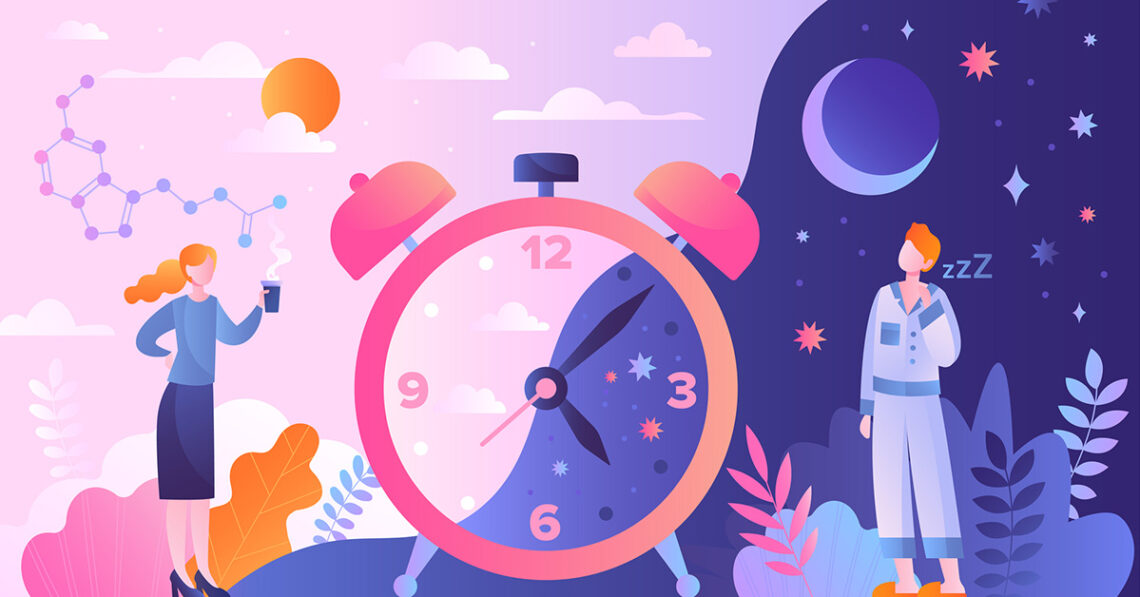
It’s basically your body’s built-in clock. It tells you when to sleep, wake up, feel hungry, feel grumpy, get things done, zone out, and everything in between. And it’s not just one-size-fits-all. Everyone’s circadian rhythm is a little different, and that difference can totally mess with how we work if we don’t pay attention to it.
There are even fancy names for our energy patterns. Dr. Michael Breus (he’s known as The Sleep Doctor, which is both impressive and slightly intimidating) came up with chronotypes based on animals:
- Lions = early risers
- Wolves = night owls
- Bears = somewhere in the middle
- Dolphins = light sleepers who run on pure anxiety and vibes (just kidding… sort of)
The point? Your chronotype shapes when you’re naturally most alert, creative, focused, or ready to take a nap under your desk. Understanding it is key to improving circadian rhythm productivity in a way that actually sticks.
This Is Why You Feel Like a Zombie at 3 PM
Professor Till Roenneberg (chronobiology expert and author of Internal Time) takes it a step further. His research shows that our internal clocks are often out of sync with our actual work schedules. And that disconnect is what creates “social jet lag.” You know the feeling. Your brain wants to be asleep, but your job wants you in a meeting.
His advice? Get more sunlight. Seriously. Just going outside in the morning or eating your toast on the porch can help realign your internal clock with the real world. (Bonus: it also makes you slightly less cranky.)
So When Should You Work?
Honestly? When you feel good. That’s the answer.
If you’re someone who hits your groove at 9 PM, stop fighting it. And if you’re like me and your peak productivity window is 4–9 AM, guard that time with your life. Do the hard stuff when your brain is firing, and save the low-stakes tasks for your low-energy times. These kinds of realistic productivity tips have helped me stay focused without forcing it.
One study from the University of Birmingham found that people who had control over their schedules were more productive and less stressed. (Imagine that.)
If you’re self-employed? Congrats—you can probably do this already.
If you work somewhere with flexible hours? Have a conversation.
If you manage a team? Be the boss who gets it.
Even a small schedule shift can make a huge difference in how you feel (and perform).
Real Talk: It’s Not Always Easy
Of course, flexible schedules aren’t always possible. You might have client meetings or team check-ins or kids who need to be picked up at exactly 2:53 PM every day. Plus, coordinating with people who work best at different times can get tricky.
But here’s the good news: async work is your friend. Shared docs. Project tools. Slack messages instead of 27 meetings. You don’t all need to work at the same time; you just need to keep moving in the same direction.
Be Kind to Your Brain
The bottom line? Productivity isn’t about squeezing every second out of your day. It’s about creating space for intentional work-life balance, even if it starts with something small… like a spring reset.
So, whether you’re a lion, a wolf, or somewhere in between, your own circadian rhythm productivity blueprint is already there. It’s just a matter of noticing it and working with it, not against it.
And if you’re still not sure what your chronotype is? Start by tracking your energy for a week or two. When are you focused? When are you dragging? The pattern is probably already there, just waiting for you to notice it.
Let your rhythm lead the way. Your to-do list will thank you.